Table of Contents
- Introduction
- The Trekking Legends of Nepal
- A Quick Snapshot of Annapurna
- A Quick Snapshot of Everest
- Trek Duration and Difficulty
- Annapurna Trek: How Long and How Hard?
- Everest Trek: How Long and How Demanding?
- Scenery and Landscape
- What You’ll See on Annapurna
- What You’ll See on Everest
- Accessibility and Logistics
- Getting to the Annapurna Region
- Getting to Everest Base Camp
- Altitude and Acclimatization
- Annapurna Altitude Profile
- Everest Altitude Profile
- Cultural Experiences Along the Way
- Annapurna: Gurung and Magar Hospitality
- Everest: Sherpa Traditions and Tibetan Influence
- Crowds and Trekker Traffic
- Quiet Trails or Tourist Highways?
- Cost Comparison
- Annapurna on a Budget
- Everest Price Tag
- Accommodation and Food
- Teahouses in Annapurna
- Teahouses in Everest
- Wildlife and Nature
- Flora and Fauna of Annapurna
- Wildlife in Everest Region
- Which Trek is Better for Beginners?
- Which One Should You Choose? A Personal Take
- Conclusion
- FAQs
Annapurna vs. Everest: Which Trek is Worth Your Time?
Introduction
So, you’re planning your first Himalayan adventure and caught between two giants: Annapurna and Everest. Classic dilemma. They’re both iconic, both stunning, and both challenging in their own way. But which one deserves your time, energy, and savings? Let’s break this down like a friend would—not some brochure.
The Trekking Legends of Nepal
A Quick Snapshot of Annapurna
Annapurna is like that underrated movie that turns out better than the blockbuster. Located in central Nepal, the Annapurna region offers multiple trekking routes—from short cultural walks to the full 21-day Annapurna Circuit. Think lush forests, terraced farms, high-altitude passes, and cozy mountain villages.
A Quick Snapshot of Everest
Everest needs no intro. Sitting in the northeast of Nepal, the Everest Base Camp (EBC) trek is the go-to route for bragging rights. The goal? To reach the foot of the world’s tallest mountain. It’s a spiritual and physical pilgrimage loaded with drama, altitude, and epic Himalayan views.
Trek Duration and Difficulty
Annapurna Trek: How Long and How Hard?
The classic Annapurna Circuit takes 16–21 days. But you’ve got shorter options like the 5–7 day Ghorepani–Poon Hill trek or the 9-day Annapurna Base Camp (ABC) trek. Difficulty? Moderate. It’s a rollercoaster of up-and-down trails but without the oxygen-sapping altitudes of Everest.
Everest Trek: How Long and How Demanding?
EBC takes 12–14 days if you fly in and out via Lukla. You’ll hike slow because of the altitude. Expect thin air and tougher climbs. While not technically difficult, the elevation makes every step feel heavier. Fitness and acclimatization matter here.
Scenery and Landscape
What You’ll See on Annapurna
Expect mind-bending diversity. Rhododendron forests, waterfalls, hot springs, arid Mustang-like valleys, and the jaw-dropping Thorong La Pass (5,416m). Annapurna gives you a new vibe every other day.
What You’ll See on Everest
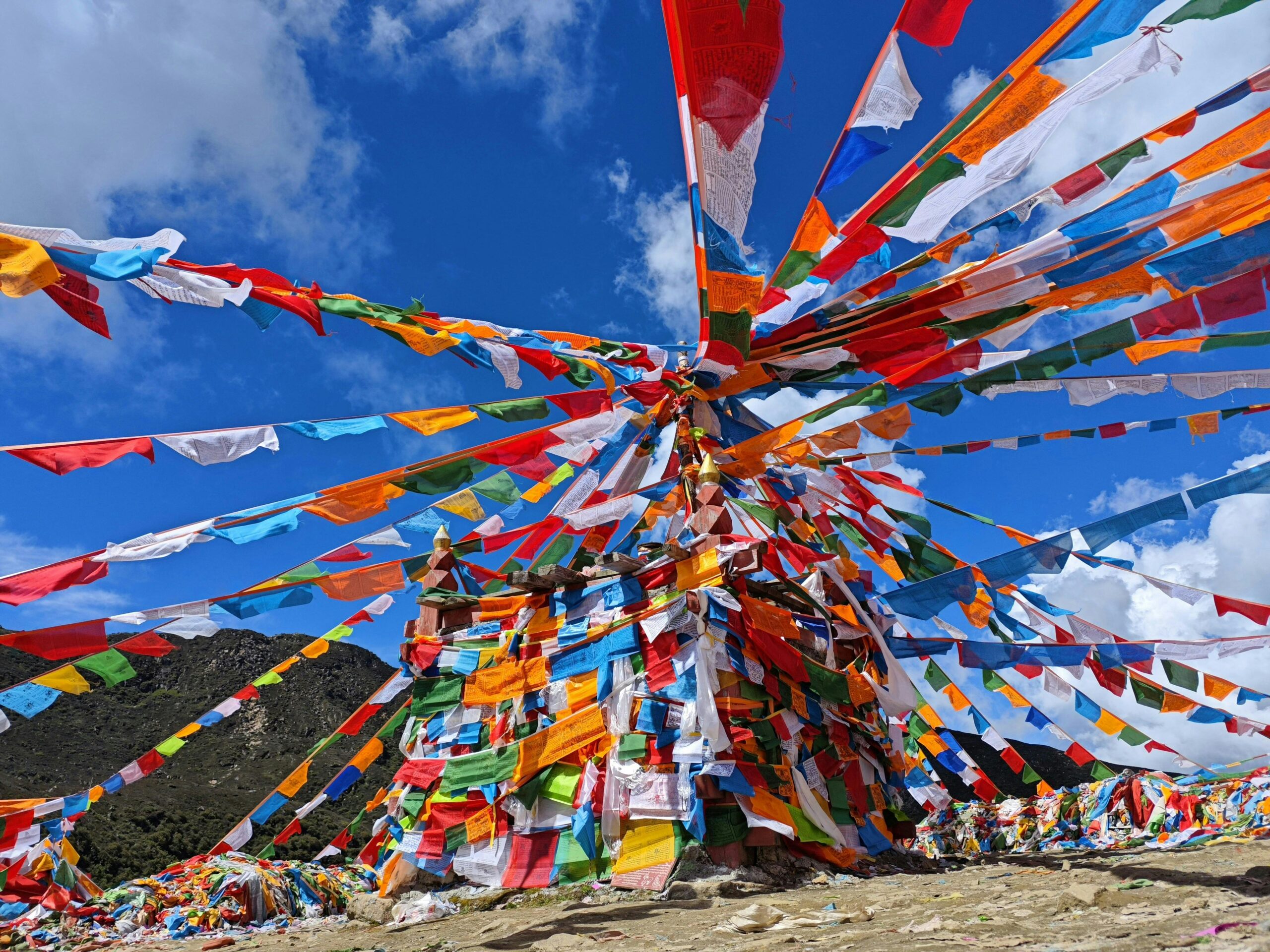
Everest is pure drama. Towering peaks like Lhotse, Nuptse, Ama Dablam, and of course, Everest itself. You walk through glacier moraines, prayer-flagged paths, and wide alpine valleys that feel like another planet.
Accessibility and Logistics
Getting to the Annapurna Region
Easy. Drive or fly to Pokhara, Nepal’s chillest city. From there, the trailheads like Nayapul or Besisahar are a few hours away. No flight roulette, no Lukla drama.
Getting to Everest Base Camp
You fly to Lukla, a tiny airstrip on a cliff. Flights often get delayed due to weather. No road access. It adds thrill (or stress) depending on your luck.
Altitude and Acclimatization
Annapurna Altitude Profile
Max altitude on the ABC trek is around 4,130m. On the Circuit, it’s 5,416m at Thorong La, but the gradual climb helps your body adjust. Fewer people get hit with altitude sickness here.
Everest Altitude Profile
Everest Base Camp sits at 5,364m. That’s already serious altitude. You’ll need rest days. AMS (Acute Mountain Sickness) is common. Go slow or go home.
Cultural Experiences Along the Way
Annapurna: Gurung and Magar Hospitality
You’ll pass through charming villages like Ghandruk, Landruk, and Manang. Expect warm welcomes, dal bhat, traditional dances, and conversations with locals who don’t see tourists as walking wallets.
Everest: Sherpa Traditions and Tibetan Influence
You’re in Sherpa heartland. Visit ancient monasteries, spin prayer wheels, and see yak caravans. There’s a spiritual energy here that’s hard to describe.
Crowds and Trekker Traffic
Quiet Trails or Tourist Highways?
Everest is crowded, especially during peak seasons (March–May, Oct–Nov). Annapurna can get busy too, but you’ve got more route options to avoid the traffic. Plus, the Circuit has become less touristy in recent years due to road development.
Cost Comparison
Annapurna on a Budget
You can do the Annapurna trek for around $25–35/day if you go low-key. Cheaper food, no expensive flights, and shorter itineraries make it more backpacker-friendly.
Everest Price Tag
Budget around $40–50/day. Add $150–$200 for the flight to Lukla. If you want porters or a guide, costs increase quickly. You’re paying for bragging rights.
Accommodation and Food
Teahouses in Annapurna
Cozy, clean, and charming. Many have Wi-Fi and hot showers. You’ll be surprised by the quality in places like Chhomrong and Manang.
Teahouses in Everest
Teahouses are well-built but more expensive the higher you go. You’ll find apple pies and pizza on the menu—but expect to pay premium prices above 4,000m.
Wildlife and Nature
Flora and Fauna of Annapurna
You’ll walk through forests full of rhododendrons, bamboo, and orchids. Langurs, Himalayan monals, and even leopards call this place home.
Wildlife in Everest Region
You might spot Himalayan tahr, musk deer, snowcocks, and with serious luck, a snow leopard. Less greenery, more alpine, but no less fascinating.
Which Trek is Better for Beginners?
Annapurna wins this one. Lower altitude, flexible itineraries, and easier access make it ideal if you’re new to high-altitude trekking. Everest is doable but demands more prep.
Which One Should You Choose? A Personal Take
If you’re chasing views and culture without risking oxygen tanks or flight cancellations, go for Annapurna. If standing in the shadow of Everest is your childhood dream, then no debate—Everest it is.
Both treks are unforgettable in their own way. Choose based on what you value more: variety or victory, quiet beauty or brag-worthy altitude.
Conclusion
There’s no wrong answer here. Annapurna and Everest both offer once-in-a-lifetime experiences. One is versatile, diverse, and beginner-friendly. The other is legendary, high-altitude, and dramatic. Whichever you pick, the Himalayas will leave a mark on you.
FAQs
- Can I trek Annapurna or Everest solo?
Yes, both treks are doable solo. Annapurna is easier solo due to better trail markings and lower risk, but Everest is also safe with good planning. - When is the best time to trek?
Spring (March–May) and autumn (September–November) are ideal. Avoid monsoon and peak winter unless you’re experienced. - Is Everest harder than Annapurna?
Yes. Mainly due to higher altitude and harsher conditions. Annapurna offers more manageable elevation and trail choices. - Which trek is more scenic?
Both are gorgeous. Everest has iconic peaks; Annapurna offers more varied terrain and cultural diversity. - Do I need permits for these treks?
Yes. Annapurna requires the ACAP and TIMS card. Everest needs a Khumbu Permit and TIMS card. Get them in Kathmandu or Pokhara.