The allure of Everest Base Camp (EBC) is undeniable. Standing in the shadow of the world’s highest peak is a dream for many, and increasingly, that dream is being realized by adventurers from across Europe. But planning a trek to EBC from Europe can feel daunting. Where do you start? What’s involved?
Fear not! As a travel writer with over 20 years exploring the trails of Nepal, I’m here to break down everything you need to know, and why **Him-Trail Travels** is the perfect partner to turn your Everest dream into reality.
Why Choose Nepal & Everest Base Camp?
Nepal isn’t just about Everest. It’s a land of breathtaking landscapes, vibrant culture, and incredibly welcoming people. Trekking to EBC isn’t just a physical challenge; it’s an immersive experience that will stay with you long after you’ve returned home. For Europeans, Nepal offers a unique blend of adventure, cultural immersion, and affordability.
Step 1: Getting There – Flights from Europe to Kathmandu
The journey begins with a flight to Kathmandu (KTM), Nepal’s bustling capital. There are no direct flights from most European cities, so expect a layover. Here’s a breakdown of common routes and approximate flight times:
From London (LHR): Typically via Doha (Qatar Airways), Dubai (Emirates), or Istanbul (Turkish Airlines). Flight time: 14-18 hours.
From Paris (CDG): Often via Doha, Dubai, or Istanbul. Flight time: 15-19 hours.
From Frankfurt (FRA): Commonly via Doha or Dubai. Flight time: 14-17 hours.
From Amsterdam (AMS): Usually via Doha or Dubai. Flight time: 15-19 hours.
**Tip:** Book your flights well in advance, especially if travelling during peak seasons (Spring – March-May & Autumn – September-November) to secure the best prices. Consider using flight comparison websites like Skyscanner or Google Flights.
Step 2: Kathmandu – Acclimatization & Preparation
Upon arrival in Kathmandu, allow at least 2-3 days for acclimatization. Kathmandu is at an altitude of 1,400m (4,600ft), and adjusting to the altitude is crucial before heading higher.
Him-Trail Travels includes this acclimatization period in their EBC trek packages, offering guided sightseeing tours of Kathmandu’s UNESCO World Heritage sites like Pashupatinath Temple and Boudhanath Stupa. This is a fantastic way to immerse yourself in Nepali culture and prepare mentally for the trek.
Step 3: The Trek Itself – Options with Him-Trail Travels
There are several routes to Everest Base Camp, but the most popular is the classic Everest Base Camp Trek. Him-Trail Travels offers a range of EBC trek packages to suit different fitness levels and preferences:
Classic EBC Trek (12-14 days):The standard route, offering a balanced experience with stunning views and comfortable teahouse accommodation.
Luxury EBC Trek (14-16 days):Includes upgraded accommodation, private transfers, and personalized service for a more comfortable experience.
Short EBC Trek (10-12 days): A faster-paced option for experienced trekkers with good fitness levels.
EBC Trek with Island Peak (18-20 days):For the ultimate challenge, combine the EBC trek with a climb of Island Peak (Imja Tse), a popular mountaineering peak.
What to Expect on the Trail:
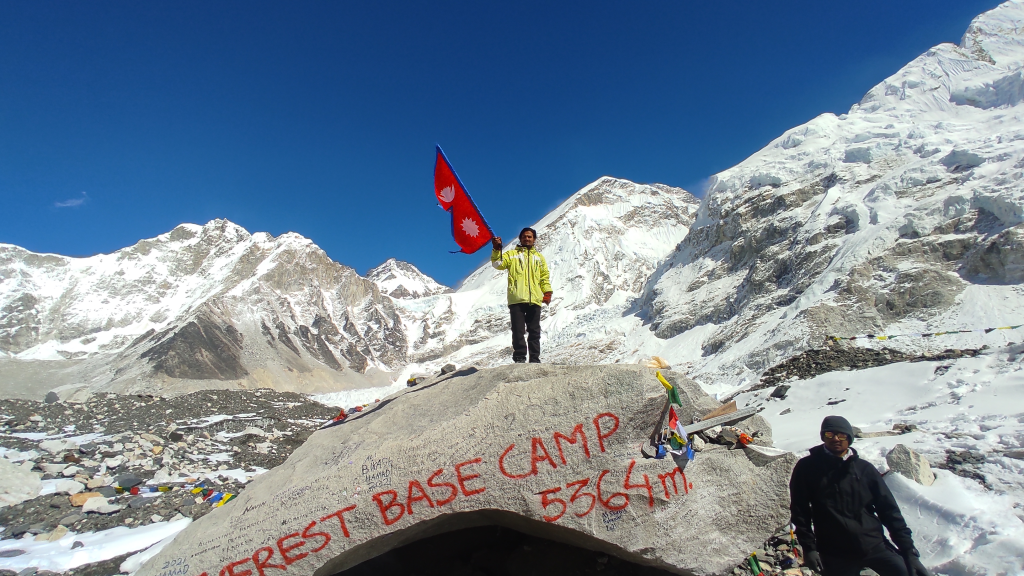
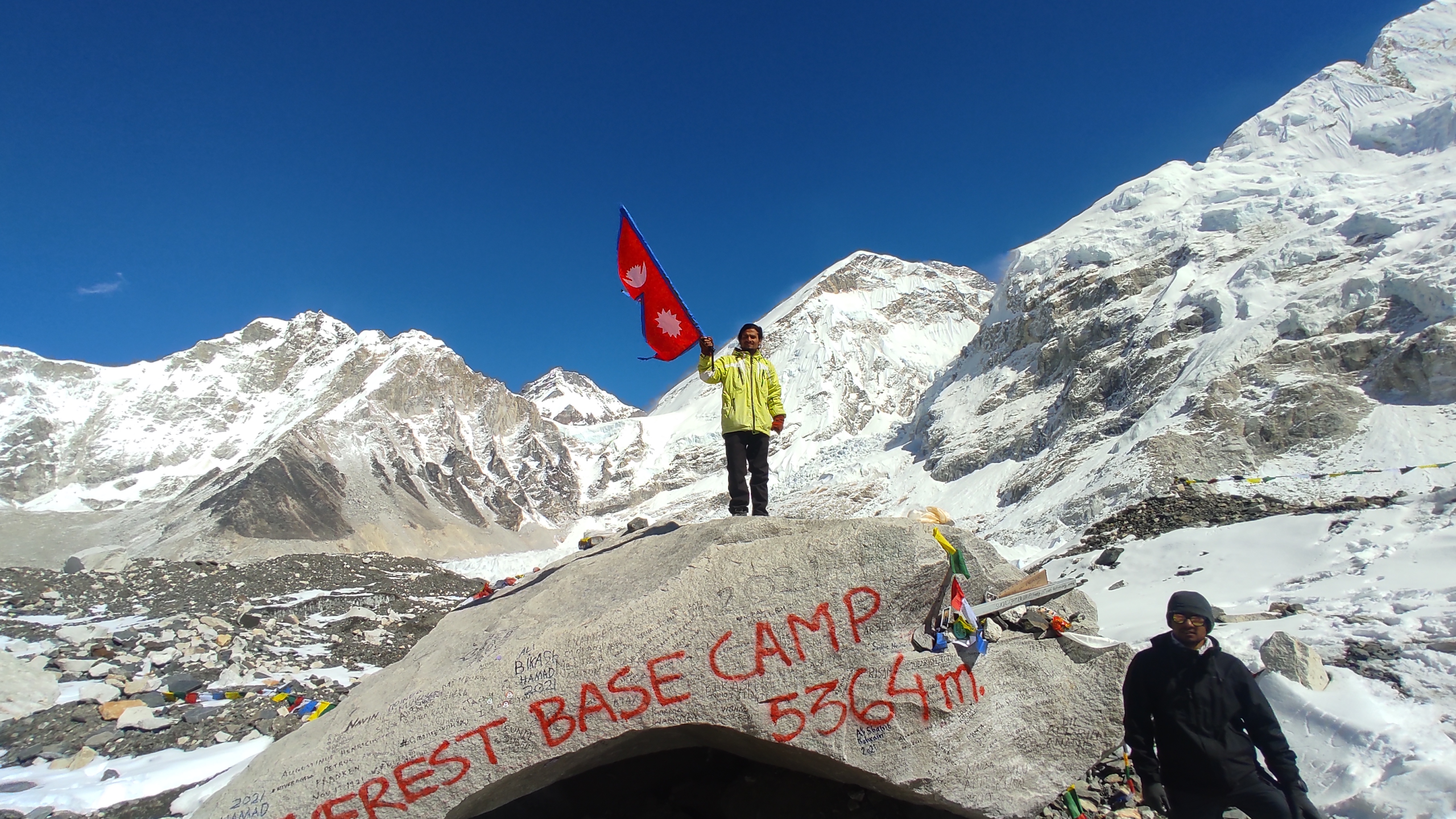
Altitude: The trek reaches an altitude of 5,364m (17,598ft) at Everest Base Camp. Acclimatization is paramount. Him-Trail Travels employs experienced guides who monitor your health and ensure a safe ascent.
Accommodation: You’ll stay in teahouses – simple guesthouses offering basic but comfortable accommodation and meals.
Food: Expect hearty Nepali meals like *dal bhat* (rice, lentils, and vegetables), noodles, and pasta.
Difficulty: The trek is challenging but achievable for anyone with a reasonable level of fitness. **Him-Trail Travels provides detailed pre-trek training advice.
Step 4: Essential Packing List (European Edition!)
Warm Layers: Temperatures can plummet, even in spring and autumn. Pack thermal underwear, fleece jackets, and a down jacket.
Waterproof Gear: Rain and snow are possible. A waterproof jacket and trousers are essential.
Sturdy Trekking Boots: Broken-in boots are crucial to prevent blisters.
Altitude Sickness Medication: Consult your doctor before travelling.
Sun Protection:The sun is strong at high altitude. Pack sunscreen, sunglasses, and a hat.
Headlamp: Essential for navigating teahouses at night.
Power Bank: Electricity can be unreliable.
5: Why Choose Him-Trail Travels?im-Trail Travels?
As a seasoned travel writer, I’ve trekked with many companies in Nepal. **Him-Trail Travels** stands out for several reasons:
Experienced & Local Guides: Their guides are highly trained, knowledgeable, and passionate about Nepal.
Responsible Tourism: They prioritize sustainable practices and support local communities.
Personalized Service: They tailor treks to your individual needs and preferences.
Safety First: They prioritize your safety and well-being throughout the trek.
Competitive Pricing: They offer excellent value for money.
Want more travel tips or need help planning your trek?
Visit Him-Trail Travels and Trek or email us at [info@himtrail.com] for a free consultation!