Why Choose Yoga Trekking in the Himalayas
Trekking through the Himalayas is already a life-changing journey but when combined with daily yoga, breathwork, and meditation, it becomes something more profound. Yoga Trekking in the Himalayas rejuvenates the body, resets the mind, and awakens the spirit.
Walking along mountain trails while practicing yoga amid clouds, pine forests, and Himalayan peaks creates a synergy that’s difficult to replicate elsewhere. The slow, mindful movements of yoga help relieve the muscle strain of trekking, while meditation and pranayama (breath control) ground your senses in the present. Together, they transform your journey from a hike into a sacred pilgrimage.
What Makes Nepal Ideal for Yoga Treks
Nepal is not just the roof of the world; it’s also a cradle of spirituality. The birthplace of the Buddha, it’s steeped in centuries of yogic and meditative traditions.
Spiritual Geography:
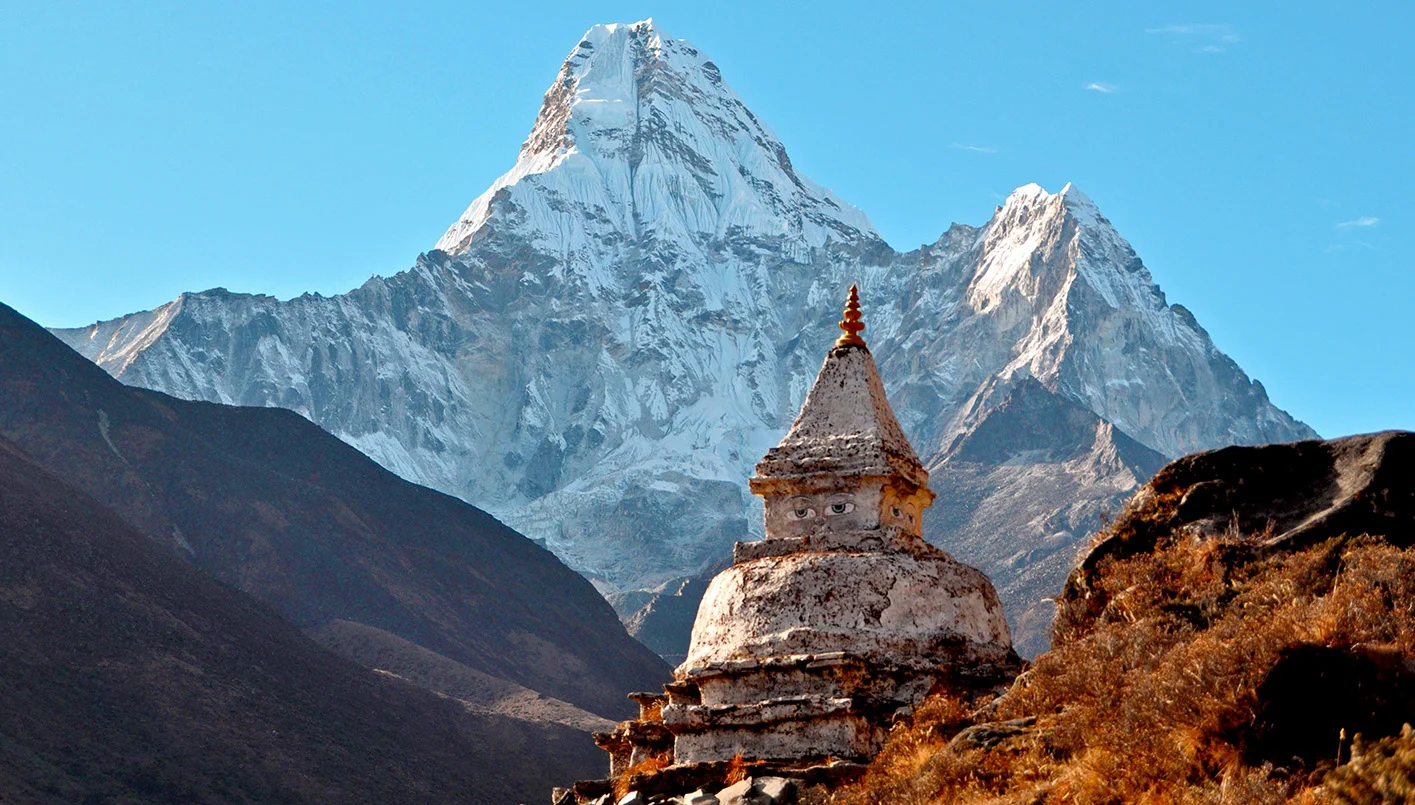
From prayer flags fluttering on high passes to sacred rivers and ancient monasteries, the Himalayan landscape itself feels like a temple.
Warm Culture & Sacred Hospitality:
Nepali guides and locals often integrate local customs, Buddhist or Hindu teachings, and cultural practices into the yoga trekking experience—offering travelers more than just scenic views.
Top Yoga Trekking Retreats in Nepal
Hidden Valley Yoga Trek – Annapurna Region
Nestled between terraced farmlands and lush forests, this retreat offers a 7–10 day journey with hatha yoga sessions each morning and evening. It’s perfect for intermediate hikers looking for moderate trails and stunning Annapurna vistas. Yoga classes often take place at sunrise, creating an unforgettable start to each day.
Ilam & Kanchanjangha Retreat Circuit
Eastern Nepal’s rolling tea fields and thick rhododendron forests form the backdrop for this unique yoga retreat. You’ll trek through lesser-known paths while practicing yoga in peaceful clearings or Buddhist gompas. It’s especially loved by travelers looking to escape the commercial trek routes.
Mustang Spiritual Hike & Yoga Camp
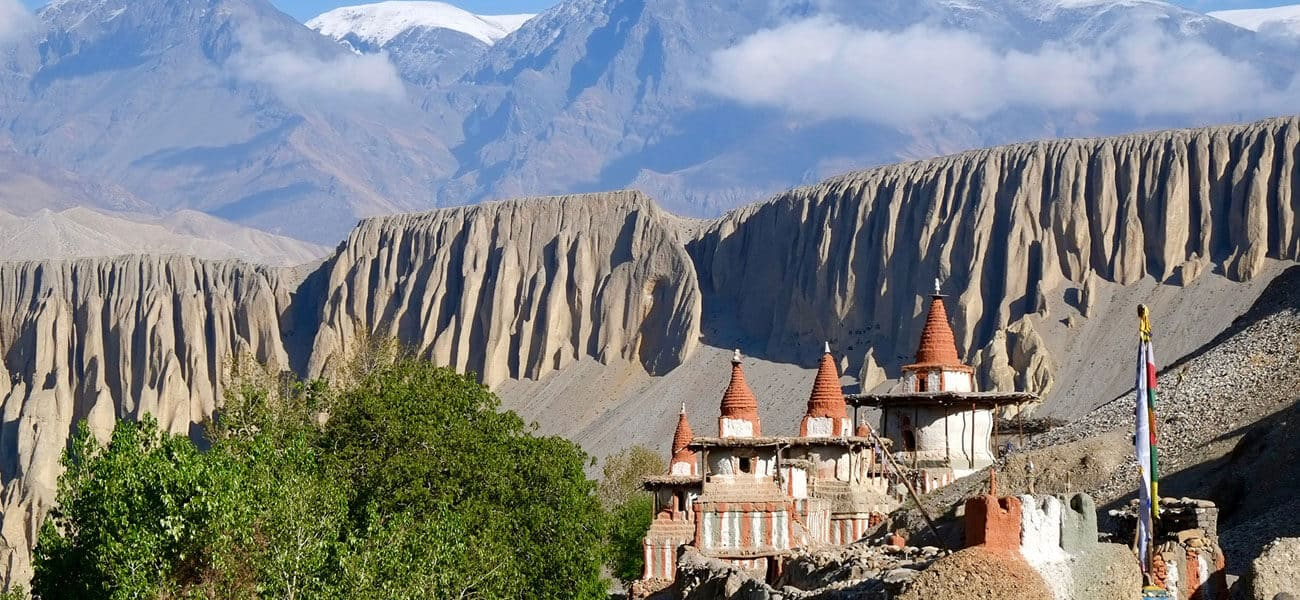
Venture into the arid, high-altitude terrain of Upper Mustang. This remote trans-Himalayan desert hosts silent yoga mornings, sound healing, and reflective hikes. The retreat often includes visits to ancient monasteries and guided breathwork to adapt to the thinner air.
Everest Foothills Mind-Body Trek
Centered around Lukla and Namche, this trek blends scenic forest trails with invigorating vinyasa flows. Wake up to sunrise salutations with Mount Everest in view, followed by trail walks and evening yoga Nidra. It’s a gentle introduction to both trekking and high-altitude yoga.
Langtang Himalayan Healing Retreat
Langtang Valley, known for its biodiversity and cultural depth, offers more than beauty. This retreat emphasizes Tamang cultural healing, forest bathing walks, and herbal therapy. Restorative yoga soothes sore muscles and enhances your bond with nature.
Ghorepani–Poon Hill Trail with Daily Yoga
Short on time? This 5-day yoga trek leads you through rhododendron forests to the iconic Poon Hill viewpoint. Start each day with yoga and end with breathtaking sunsets. Great for beginners and those wanting a quick, enriching Himalayan escape.
Far Western Wild Yoga Trail
Explore uncharted territory in western Nepal. This rugged trek includes sunrise meditations, village immersion, and wilderness yoga sessions far from any Wi-Fi signal. It’s for seekers craving solitude and reconnection with the earth.
Hidden Pilgrimage Hike on Rara Lake
The turquoise calm of Rara Lake is unlike any other. Here, yoga takes place by the water’s edge, and starry skies host guided meditations. Ideal for spiritual reflection, this retreat is a hidden jewel.
Best Hidden Places for Off-Grid Yoga Retreats
Many of Nepal’s most powerful yoga trekking experiences are far from touristy trails. Places like Rara Lake, Upper Mustang, and Ilam remain less commercial, offering tranquil lodges, eco-friendly setups, and homestays that allow deeper local connection. These hidden gems are ideal for solo travelers, spiritual seekers, and yogis seeking transformation.
Planning Your Yoga Trekking Journey
When is the Best Time to Go?
- Spring (March–May): Rhododendrons bloom, trails are alive with birdsong, and skies remain clear.
- Autumn (September–November): Perfect weather, vibrant foliage, and stable trail conditions.
Avoid monsoon (June–August) due to slippery trails and winter (December–February) if you’re new to altitude trekking.
Permits, Guides, and Porters
Most yoga treks require a TIMS card and national park permits. Hiring certified guides and porters not only ensures your safety but also uplifts local livelihoods. Many yoga retreats work with female trekking cooperatives and eco-tourism partners.
What to Expect: Accommodation & Food
Tea houses provide basic but cozy shelter. Many yoga retreats offer vegetarian meals, herbal teas, and locally grown produce. You may even find retreat lodges that offer yoga mats, Ayurvedic meals, and energy snacks tailored to yogis.
Sustainable & Ethical Trekking Practices
Eco-retreats in Nepal prioritize:
- Solar energy
- Waste management
- Water conservation
- Hiring local staff and yoga teachers
Choosing sustainable operators ensures your journey gives back to nature and Nepali communities.
Tips for First-Timers in Yoga Trekking
Pack Essentials:
- Travel yoga mat
- Trekking boots
- Sunscreen and lip balm
- Layers for cold mornings
- Refillable water bottle and purifier
- Snacks, energy bars
- Journal for reflections
Prepare Your Body & Mind:
- Practice walking and yoga in advance
- Stay hydrated and rested before arrival
- Approach the journey with flexibility both physical and mental
Real Stories from Yoga Trekkers
Many return from yoga treks with glowing testimonies:
“I found my spiritual center while staring at Everest during sunrise yoga. Nepal gave me more than views—it gave me healing.”
—Lena, yoga trekker from Germany
“Practicing yoga beside Rara Lake was pure magic. No noise. Just me, my breath, and the Himalayas.”
—Ravi, traveler from India
Useful Resources and Travel Blog Links
- Visit Himtrail.com for curated yoga trekking itineraries across Nepal.
- Read Nepal tips and guides at LonelyPlanet.com.
- Check real traveler experiences and yoga trek reviews on TripAdvisor.
Frequently Asked Questions (FAQs)
1. What is the difficulty level of Yoga Trekking in the Himalayas?
It varies—trails like Ghorepani are beginner-friendly, while Mustang and Ilam loops offer more challenge.
2. Can beginners join yoga trekking retreats?
Absolutely! Many retreats are designed for beginners with gentle yoga flows, slow trekking paces, and mindfulness sessions.
3. What should I pack for a yoga trekking retreat?
Pack trekking boots, layered clothing, reusable water bottle, yoga mat (optional), sunscreen, and light snacks.
4. Are the retreats eco-friendly and community-supportive?
Yes! Many retreats employ local guides, use eco-lodges, and donate a portion to village development or conservation.
5. How long are Yoga Trekking retreats?
Most retreats range from 5 to 14 days depending on the destination and depth of the experience.
6. Is altitude illness a concern?
It can be. Choose treks that include acclimatization days and stay hydrated. Guides monitor symptoms closely.
Conclusion: Embark on a Transformative Yoga Journey
Whether you’re a yogi craving natural silence or a trekker yearning for deeper spiritual experiences, Yoga Trekking in the Himalayas offers a unique fusion of movement, mindfulness, and magic. Nepal’s serene trails and ancient wisdom invite you to reconnect with yourself and the universe.
Start your retreat journey at Himtrail.com
Let the Himalayas guide your transformation.