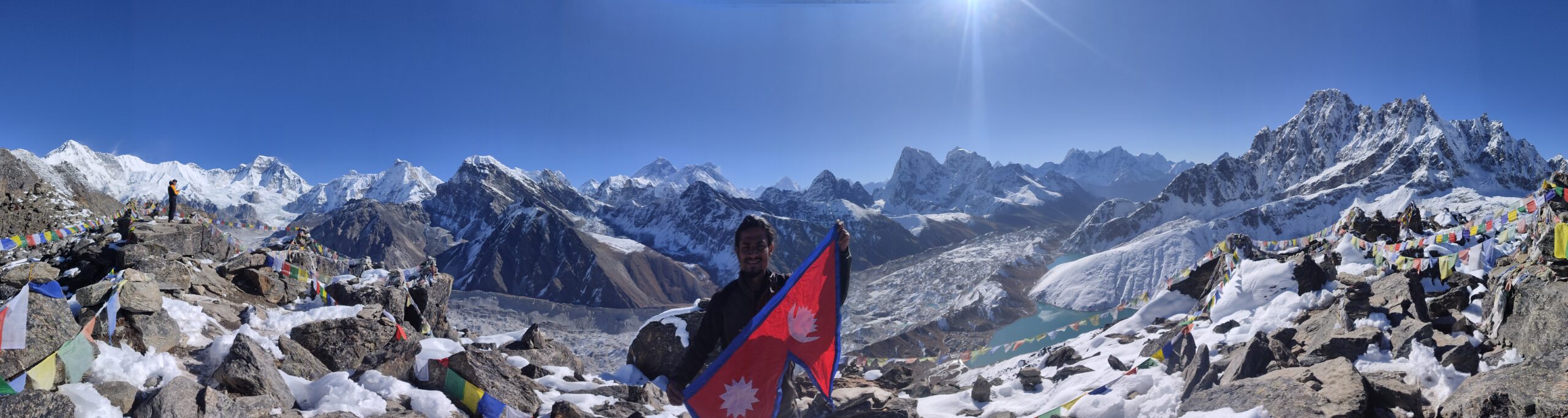
10 Best Treks in Nepal, you’re probably picturing this: sharp, snow-capped peaks against a deep blue sky, crisp mountain air, and trails winding through vibrant villages. That picture-perfect scene is exactly what you get in October and November. This is, without a doubt, the best time to be in the Himalayas.
The monsoon season has just ended, washing the dust from the air and leaving the landscape electric green. The weather is stable and comfortable—not too hot in the lower valleys, and not yet bitingly cold at high altitudes. It’s the sweet spot, the one a seasoned trekker waits for all year. Let’s break down the best trails to tackle during this magical window.
Why Trek Nepal in October & November?
Unbeatable Views: The air is at its clearest, offering breathtaking, unobstructed views of the world’s highest mountains. This is when you get those iconic photos.
Ideal Weather: Daytime temperatures are mild and pleasant for hiking, and the trails are dry and in excellent condition.
Festival Season: You’ll be trekking during Dashain and Tihar, Nepal’s biggest festivals. The villages are alive with celebration, offering a rich cultural experience alongside the mountain scenery.
Stable Conditions: The post-monsoon period provides the most reliable weather window, minimizing the risk of flight delays to mountain airstrips like Lukla.
Is Trekking in Nepal Safe?
Yes, provided you are smart and prepared. The main trekking routes in the Everest and Annapurna regions are well-trodden and safe to navigate. The biggest safety factor is altitude. Acclimatization is not optional; it’s a mandatory part of any high-altitude itinerary.
Here’s how to stay safe:
Hire a Licensed Guide: A guide is invaluable for navigation, safety, and cultural insight.
Acclimatize Properly: Plan rest days and “climb high, sleep low” to let your body adjust.
Get the Right Permits: All treks require permits. A good trekking agency will handle this for you.
Stay Hydrated & Eat Well: Drink plenty of water and fuel your body at the trailside teahouses.
Check Travel Advisories: Look at your home country’s official advice, like the U.S. Department of State’s page for Nepal, before you go.
The 10 Best Treks in Nepal for Autumn 2025/2026
Here are the trails that shine brightest in the clear autumn air, from world-famous icons to quiet, hidden gems.
- Everest Base Camp (EBC) Trek
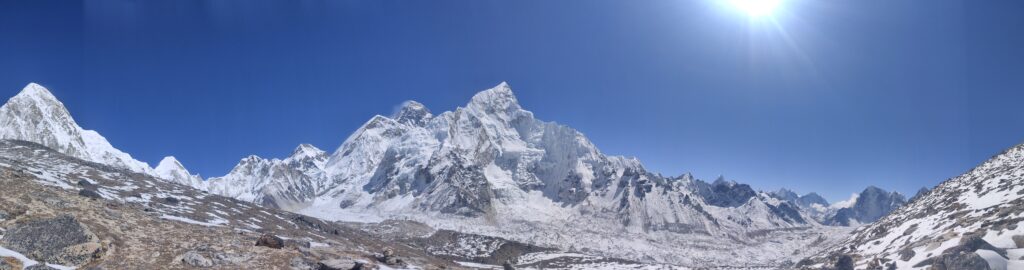
The legend. This is the trek that leads you through the heart of the Khumbu Valley, past Sherpa villages and remote monasteries, to the foot of the world’s highest peak. The sunrise view from Kala Patthar is the ultimate reward.
Duration: 12–14 Days
Difficulty: Challenging
- Annapurna Circuit Trek
A true classic that showcases the incredible diversity of Nepal’s landscape. You’ll journey from lush green valleys up to the stark, windswept Thorong La Pass (5,416m) and into the rain shadow of the Himalayas.
Duration: 15–20 Days
Difficulty: Challenging
- Annapurna Base Camp (ABC) Trek
Shorter than the Circuit but just as spectacular. The final destination is a natural amphitheater of towering peaks, including Annapurna I. It’s one of the most magnificent mountain sanctuaries on Earth.
Duration: 7–12 Days
Difficulty: Moderate
- Langtang Valley Trek
Easily accessible from Kathmandu, the Langtang Valley offers stunning mountain scenery, rich Tamang culture, and fewer crowds. It’s a powerful journey through a region recovering with incredible resilience.
Duration: 7–10 Days
Difficulty: Moderate
- Manaslu Circuit Trek
For those seeking a wilder, more authentic experience, this trek circles the world’s eighth-highest peak. The trails are rugged, the teahouses are simpler, and the sense of adventure is palpable.
Duration: 14–18 Days
Difficulty: Challenging
- Ghorepani Poon Hill Trek
The perfect trek for beginners or those short on time. A few days of walking through rhododendron forests brings you to the famous Poon Hill viewpoint for an unforgettable sunrise over the Annapurna and Dhaulagiri ranges.
Duration: 4–5 Days
Difficulty: Easy to Moderate
- Rolwaling Valley
The journey essentially begins in Kathmandu and leads you to the peak elevation of 4818m at Bamango Base Camp. Rolwaling Valley is among the most infrequently visited areas in Nepal. It is located in the Gaurisankar valley and the Everest region.
Duration: 10–14 Days
Difficulty: Moderate to Challenging (requires a special permit)
- Nar Phu Valley Trek
An off-the-beaten-path gem that branches off the Annapurna Circuit. You’ll explore remote, untouched villages where the culture is preserved and the trails see very few trekkers.
Duration: 12–15 Days
Difficulty: Challenging
- Kanchenjunga Base Camp Trek
A long, demanding expedition in far-eastern Nepal. This trek is for the serious adventurer wanting to experience a truly remote and wild corner of the Himalayas, culminating in views of the world’s third-highest peak.
Duration: 20–25 Days
Difficulty: Strenuous
- Gokyo Lakes Trek
An incredible alternative to the main EBC trail, this route takes you to a series of stunning high-altitude turquoise lakes. The view from Gokyo Ri is considered by many to be even better than from Kala Patthar.
Duration: 11–13 Days
Difficulty: Challenging

Essential Gear & Preparation for Autumn Treks
Packing light is smart, but packing right is essential.
Layering is Key: Bring moisture-wicking base layers, a fleece mid-layer, and a waterproof/windproof outer shell.
Broken-in Boots: Your hiking boots are your most important piece of gear. Make sure they are comfortable and well-worn.
Sun Protection: The sun at high altitude is intense. Pack sunglasses, a wide-brimmed hat, and high-SPF sunscreen.
Trekking Poles: They save your knees on the endless descents.
Water Purification: A filter bottle or purification tablets are a must to stay hydrated safely and reduce plastic waste.
For more detailed inspiration, check out resources like Lonely Planet’s Nepal section or the UNESCO page for Nepal’s World Heritage Sites. For on-the-ground conditions, Him-Trail’s trekking blog is an excellent resource.

Frequently Asked Questions (FAQs)
What is the weather like in Nepal in October and November?
Expect clear, sunny days with mild temperatures (15-20°C / 59-68°F) in the lower elevations. At night and at higher altitudes (above 4,000m), temperatures will drop below freezing.
Do I need a guide to trek in Nepal?
While not mandatory for all trails, a licensed guide is highly recommended for safety, navigation, and enriching your cultural experience. For restricted areas like Manaslu and Upper Mustang, a guide is required by law.
How fit do I need to be for trekking in Nepal?
Your fitness level will determine which trek is right for you. For moderate treks like ABC or Langtang, a good level of cardiovascular fitness is required (you should be comfortable with 5-7 hours of hiking per day). For challenging treks like EBC or the circuits, excellent stamina is necessary.
What permits do I need for trekking?
Most treks require a TIMS (Trekkers’ Information Management System) card and a National Park or Conservation Area Permit. Your trekking agency will arrange these for you.
How much does a trek in Nepal cost?
Costs vary widely. A budget teahouse trek can cost $30-$50 per day. A fully supported trek with a guide and porter through an agency will typically range from $70-$150 per day, including permits, food, and lodging.
Conclusion: Embark on a Transformative Journey
Choosing to trek in Nepal during October or November is the best decision you can make. The mountains are at their most magnificent, the culture is on full display, and the trails are waiting. We have paths for every ambition—whether you’re a first-timer ready for Poon Hill, a seasoned hiker dreaming of Kanchenjunga, or an adventurer ready to explore our more remote, untouched trekking valleys. Whichever journey you choose, it will challenge, inspire, and stay with you long after you’ve returned home.
Visit Him-Trail Travels and Trek or email us at [[email protected]] for a free consultation!