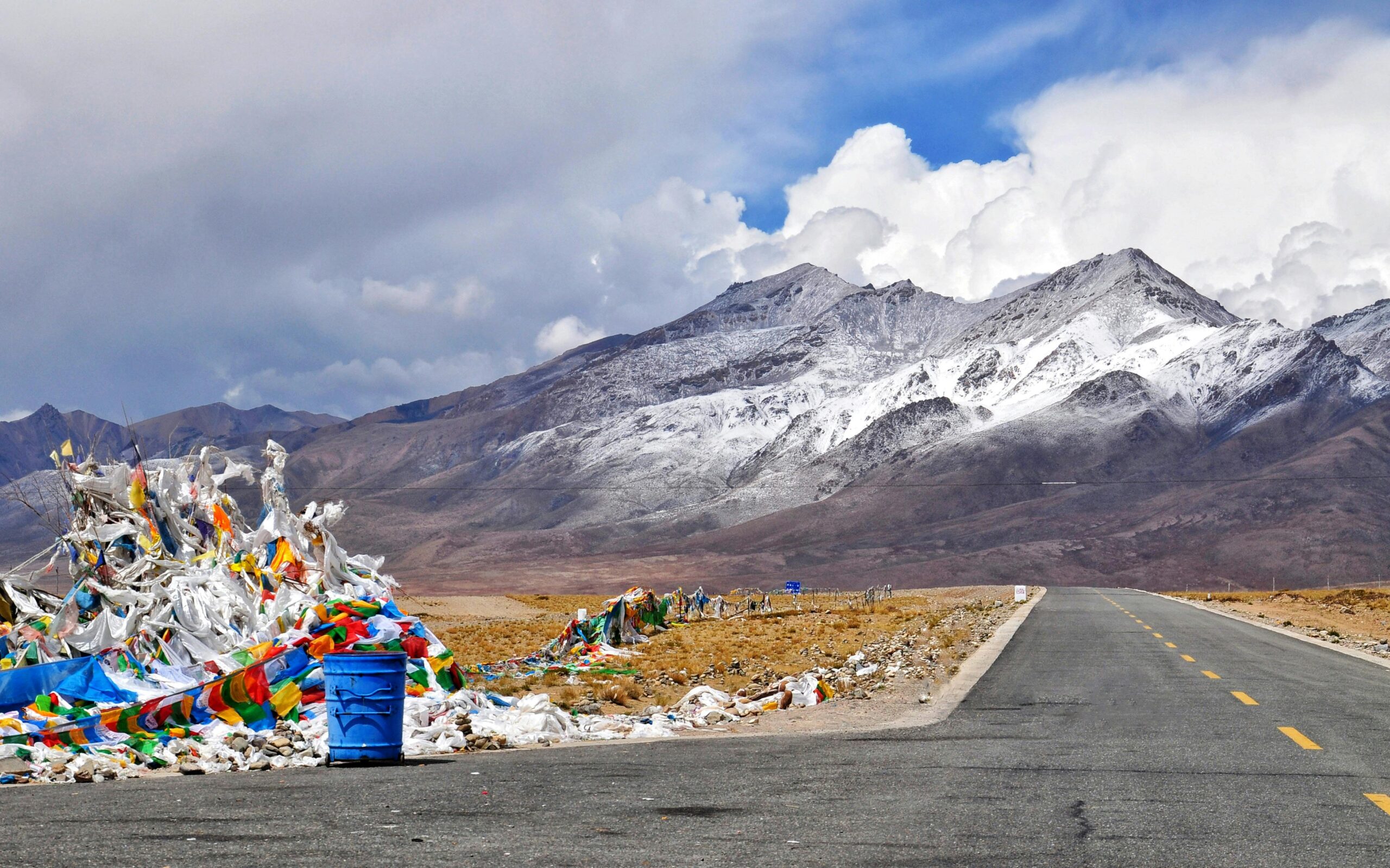
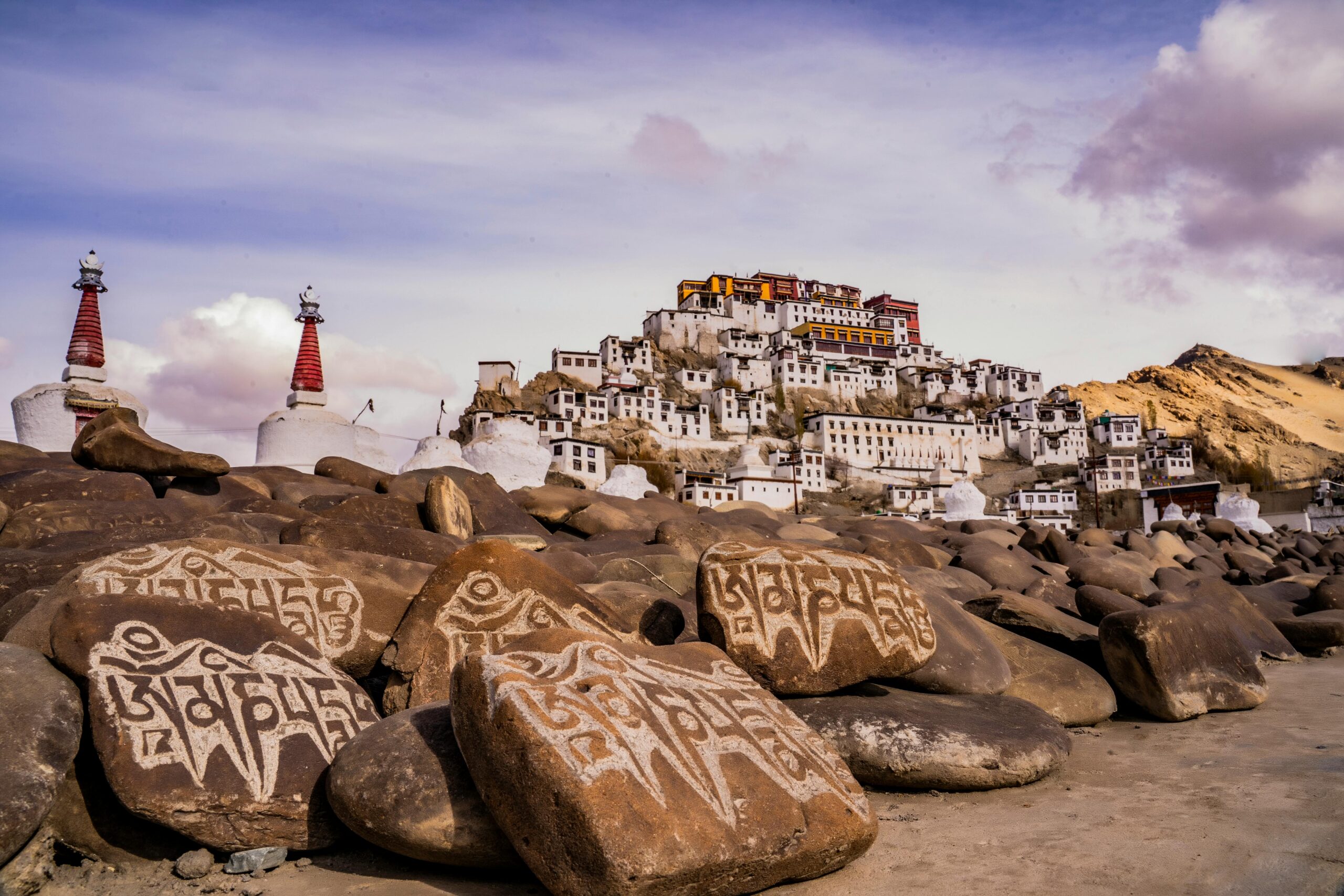
Mt. Kailash trek from Humla is a 28‑day Himalayan journey via Simikot and the Limi Valley to Lake Manasarovar and the sacred 53 km (32 mi) Kailash kora—organized by Him‑Trail Travel and Trek for safety‑first, expert‑guided travel.
If you want to experience a rare Himalayan journey with deep cultural meaning, the Mt. Kailash trek from Humla is one of the most unforgettable routes in Nepal and Tibet. Opened to foreign trekkers in 1997, this trail starts in Simikot and follows the historic salt trade route through the remote Limi Valley to the Tibet border. The journey continues to Lake Manasarovar and Darchen, where you complete the sacred 53 km (32 mi) Kailash kora. Expect dramatic valleys, ancient monasteries, and a powerful atmosphere shared by Hindu, Buddhist, Bön, and Jain pilgrims.
The best part of this itinerary is the balance between wilderness and culture. In Nepal’s Humla and Limi Valley, you’ll walk through high passes, stone villages, and prayer-flagged ridges often camping where lodging is limited. Across the border in Tibet, you’ll acclimatize at Lake Manasarovar (approx. 4,590 m/15,060 ft) before the three‑day kora around Mount Kailash, crossing Drolma La (5,630 m/18,471 ft). Climbing the mountain is not allowed, but circling its base is considered one of the world’s great pilgrimages. With careful acclimatization, proper permits, and an expert guide team, this high‑altitude journey is both safe and deeply rewarding.
Highlights Mt. Kailash trek from Humla
- Follow the ancient salt caravan route from Simikot through Nepal’s remote Limi Valley
- Explore traditional villages and cliff‑side monasteries with sweeping Himalayan views
- Complete the sacred 53 km (32 mi) Mount Kailash kora; cross Drolma La at 5,630 m (18,471 ft)
- Visit Lake Manasarovar and Rakshas Tal, two pristine high‑altitude lakes in western Tibet
- Encounter diverse cultures and living traditions honored by Hindus, Buddhists, Bön, and Jains
- Spot high‑altitude wildlife such as blue sheep (bharal) and birds of prey along the trail
- Support local communities while traveling with a safety‑first, experienced crew
- Optional: add Tirthapuri hot springs or an extra acclimatization day (subject to permits and timing)
What to expect during the Mt. Kailash trek from Humla (28 days)
This expedition blends remote trekking in Nepal with a pilgrimage in Tibet. Fly Kathmandu–Nepalgunj–Simikot (2,910 m/9,547 ft) and trek through the Limi Valley to the Hilsa border (approx. 3,650 m/11,975 ft). Cross to Taklakot (Burang), acclimatize at Lake Manasarovar, and transfer to Darchen (4,575 m/15,010 ft) to start the kora. The three‑day circuit typically stays at Dirapuk and Zutulpuk guesthouses, with the high point at Drolma La (5,630 m/18,471 ft). Facilities are basic but adequate. Weather can delay flights and border formalities—buffer days and flexible planning are essential.
Who can do this trek?
The route is strenuous due to altitude and remoteness. If you can hike 5–7 hours a day, have good fitness, and are comfortable with basic facilities, you can complete it. Prior high‑altitude trekking experience is highly recommended. This trek is suitable for adventurous travelers, cultural pilgrims, and experienced hikers seeking a meaningful journey.
Preparation before the Mt. Kailash trek starts
- Physical prep: Build endurance with hiking, running, cycling, or swimming 3–4 times per week. Add leg and core strength work and practice hikes carrying a daypack.
- Altitude prep: Plan a gradual ascent with acclimatization days. Learn to recognize altitude sickness symptoms and when to rest or descend.
- Mental prep: Expect simple facilities, variable weather, and long travel days. A positive mindset and flexibility make the experience smoother.
- Paperwork: Your operator will arrange Humla Restricted Area Permits, Tibet permits, and a China Group Visa. Keep extra passport photos, copies, and travel insurance handy.
Packing for the Mt. Kailash trek
Wear technical layers and carry reliable gear suited to cold, wind, and altitude:
- Trekking clothes & gear: Thermal base layers; moisture‑wicking shirts; trekking pants; fleece; down jacket; windproof/rain shell; warm hat; sun hat; liner and insulated gloves; buff/scarf; 4–5 pairs socks (liner + wool); sturdy trekking boots; camp shoes; trekking poles; 4‑season sleeping bag (–15°C/5°F comfort); sleeping bag liner; headlamp; daypack with rain cover; duffel (provided by operator); dry bags; water bottles/bladder; water filter/purifier.
- Toiletries: Hand sanitizer; biodegradable soap; toothbrush/paste; wet wipes; sunscreen (SPF 50+); lip balm; moisturizer; small towel; toilet paper.
- Personal medical kit: Blister care; pain relief; rehydration salts; antiseptic; bandages; any personal prescriptions; insect repellent. Ask your doctor about Diamox (acetazolamide) and vaccines.
- Electronics: Phone; camera; spare batteries; power bank; universal adapter.
- Documents: Passport; visas and permits; travel insurance with high‑altitude evacuation; passport photos; emergency contacts; cash for remote areas.
Safety, Acclimatization & Health
Ascend slowly and prioritize acclimatization days. Watch for altitude sickness. For medical guidance, see:
- CDC: High‑Altitude Travel Advice – https://wwwnc.cdc.gov/travel/page/travel-to-high-altitudes
- Himalayan Rescue Association (HRA) – https://www.himalayanrescue.org/
For permits and restricted areas, refer to Nepal Immigration: https://www.immigration.gov.np
Are you ready for a lifetime experience?
If you’re dreaming of the Mt. Kailash trek from Humla, we’ll handle permits, logistics, and safety so you can focus on the journey. Book with us, and our team will confirm dates, outline paperwork, and tailor the plan to your pace.
Our 2025–2026 departures are open with competitive pricing and flexible customization. Tell us your dates and preferences, and we’ll design the perfect itinerary for you.
Why trek to Mount Kailash via Humla with us?
We’re a safety‑first, local expert team with years of experience in Humla and western Tibet. From fair pricing and reliable logistics to acclimatization planning and medical preparedness, we keep your comfort and safety at the center of the trip. We prioritize responsible travel—supporting local communities and minimizing impact—so your footsteps leave a positive trace across the Himalaya.
Ready for an unforgettable adventure? Contact Him-Trail Travel & Trek to start planning your expedition to Nepal’s final frontier. Don’t forget to check our Ultimate Nepal Trekking Gear Guide to ensure you’re fully prepared.
[Click Here to Inquire Now and Plan Your Expedition!]
Want more travel tips or need help planning your trek?
Visit Him-Trail Travels and Trek or email us at [[email protected]] for a free consultation
Included/Excluded
- Airport / Hotel / Airport pick up & transfer by car / Van.
- 3 nights deluxe single/double/twin sharing bed accommodation with breakfast at 3-star hotel in Kathmandu.
- 1 night deluxe single/double/twin sharing bed accommodation with breakfast at 3-star hotel in Nepalgunj.
- Kathmandu city tour as per the above itinerary and all entrance fees.
- Domestic flight from Kathmandu-Nepalgunj-Simikot and airport tax.
- Restricted Area or Special permit for Humla region.
- Mule and Mule driver for 8 days trek (Nepal side).
- Kyirong-Kathmandu Land Transportation.
- Transportation by Luxury Bus/Jeep while in Tibet.
- English Speaking Local Tibetan Guide while in Tibet.
- All local and monastery entrance fees.
- Yak & Yak man for baggage and other stuff supply during mount Kailash trek.
- All hotel & guest-house accommodation in Tibet side.
- Freshly cooked full board meals during the trekking in Nepal and Tibet side.
- Mineral waters & Juices during Kailash Yatra.
- All land transportation in Nepal and Tibet Tour.
- Tibet Travel Permit and Tibet Group Visa Fee.
- Oxygen and first aid kit.
- Government Tax and VAT.
- Office Service charge.
- Travel insurance.
- International air fare to and from Nepal.
- Nepal Tourist Visa fees and Nepal re-entry Visa.
- Any meals (Lunch and Dinner) in Kathmandu and Nepalgunj other than breakfast.
- Photographic charges in the monasteries.
- Emergency Evacuation (Helicopter Rescue).
- Any costs which arise due to a change of the itinerary, because of landslides, political disturbance, and strikes etc.
- Any other costs whatsoever, that is not mentioned in the cost included.
- Items and expenses of personal nature.
- Any kind of alcoholic drinks, cold drinks, snacks, laundry, phone call, Internet.
- Personal Trekking Equipment.
- Any other costs whatsoever, that is not mentioned in the cost included.
Tour Plan
Upon arrival in Kathmandu, our company representative will welcome you at the airport. Then you will be transferred to the hotel in our company van.
Today you have free day in Kathmandu. And afternoon your trip will start with the flight to Nepalgunj. Transfer to Hotel.
After landing in Simikot, at 2910m, the thing is lunch. Our 65-km trek to the Tibetan border begins by climbing from the Simikot air-strip, and passing by the water source for the upper Simikot Khasa village. Climbing the trail from here, we reach the Simikot Lagna Pass, at 3000 m. It does not look far, but it is a long 300-metre pull to the top of forested ridge overlooking the town. After descending for 1 hour the rail goes toward Dharapori our overnight halt.
The trail this day starts off reasonably level. We pass by a Thakuri village called Tuling, and wild nut and apricot trees provide welcome shade along the bank of the River Karnali as the trek passes through Dharapori at 2300m. We cross the Yabka Khola (also known as Dhara-pori Khola), and soon We reach the campsite of Dharapori, which has a few teashops. Walking another 10 minutes brings us the Thakuri village of Dharapori situated on the top of a ridge which also has a police check-post. Below this village, a bridge over the Humla Karnali leads to a couple of Lama villages called Jad Kholsi and Khangalgaon. These villages belong to the Tugchulungba community and the route to these villages passes the Thakuri village of Hitan (thakuri) Kholsi. This is the last Thakuri village in the valley and the upper limit of rice cultivation. From Dharapori, the trail goes straight along the right bank of the Karnali River to the Gharapori Khola, a small tributary of the Karnali. Ascending from this stream of Dharapari Khola,the trail undulates along the Karnali River up to Chachera at 2350 m, a cave campsite used by sheep caravans. Thre is also nice waterfall nearby. Just above this waterfalls is a Lama village called Chyadog, which also belongs to the Tugchulungba community. Then climb over a ridge past swarms of lizards sunning themselves as we approach Kermi, situated besides a stream, at 2690 m. Kermi is the last Tugchulungba village.The actual route by passes Kermi and the only camp nearby is below the village.
Today we follow the Sechi river toward Langdok La and climb up Langdok La Pass 4200m. From the pass we will have beautiful views of Sechi valley and surrounding peaks. Then the trail steep ascends from Takhor Khola and continues to Sengjungma. After one hour ascend you will reach your camp site Tsongsa. It is the base camp of Nyalo Pass.
Today is a very tough, but rewarding climb to the highest point during the trek via Selimon Lake (4630m) exploration along the way, the Nyalu La Pass 4950m. There can be snow, which makes the climb more challenging. From the pass we can see breathtaking 360 degree views into Humla and into Tibet. We can see the holy Mt. Kailash on nail size in far Tibet and Mt. Saipal 7031m and the many more mountains. From the pass it is a steep down trail toward Talung valley. Talung is a beautiful valley.
The trail goes up slowly but gradually down from Takchi bridge and enter in to Zang village also known as Zhabuk valley via Tsomgo Lake. Jang is the one of three villages in the Limi valley and, as with the other villages, it is very special place where the Buddhist culture still continues relatively untouched by the modern world. We camp near the village place call Chekjur on the corner there is hot spring. You can enjoy bath in hot spring. Degung Kyapgon Rinpoche highest guru of Digung Kagyu bless the place and named it Tashithang. From Takchi there another route leads north that is the way to Chhyakpalung and Lapcha Syar. From Lapcha Syar one can view Mount Kailash and Lake Manasarovar clearly. That is two days walk from Takchi river. Nowadays easily drive to Lapcha Syar and come back by truck in one day. From Talung Tagkarbu via Zhabuk (Gonba Yok) ruined village slowly walk toward Takchi. Zhabuk was biggest and most prosperous village before it ruins in Limi valley. Lama Palya is the richest one among the villagers. To save his mother, sister and wealth from enemy he had forcefully turned village into ashes, now you still see ashes turned it to white sand.
Today is also an easy walk from Jang’s Tashithang to Halji, following the Limi river. Following the trail upstream of Limi river crossing the wooden bridges. Once we reach at Halji village, visit the Rinchhenling monastery and wander around in the villages. In Halji the monastery, Rinchhenling Gompa, is in the village built in the 14th Century and belongs to the Kagyugpa Sect. This is the biggest and most important monastery in the Limi Valley. You will have lunch at Halji with visiting the Monastery. Then further a short 2 hours trek to Tilchu following Limi river, that is your camp site for overnight halt.
From Tiljung the trail passes 4200m pass Lamka La and then The trail leads inside Lamka La with thorny bushy zigzag trail till Chukrangma then the trail leads steep descend . We see some white buildings attached high to a slope along the trail. This is the monastery from Til with some retreat houses next to it. The village is surrounded by Himalayan red birches and terraced fields, which both are bright yellow in September-October. Til is a beautiful authentic Buddhist village, as all are villages in the Limi valley. Most villagers still wear the original Tibetan dress. The most of trail follows Karnali river until reaching Mani Pedme.
The path climbs gradually most part of the path is rocky. We walk in a dramatic landscape, where is a small flat area close to the huge Rock written Buddhist Mantra “OM MANE PADME HUM” the place is name after the Mantra. Once we leave Manepeme the trail follow Karnali river little far off. It is a slightly difficult trail winds its way over a slope, until it connects with a larger trail high on the slope. After that we reach Hilsa just about 100m far from Chinese immigration by crossing suspension bridge. You will be served lunch before heading toward inside Tibet part. After lunch immigration formalities and then you will be transfered to Purang. Purang also called Taklakot locally is one of the economic hub in western Tibet specially Ali prefecture. It is also trading hub between Western Nepal and Western Tibet.
Today you will be dropped to Mansarover and check in Guest House and after Lunch your Manasarover Parikrama Circumambulation on vehicle will start which takes 3 hours it is aprox. 90km, after that you have a short visit Chiu Monaster overlooking Manasrover Lake. Chiu Monastery is one of the old monastery dedicated to Guru Padma Sambhaba (Guru Rimpoche) the tantric master of Tibetan Buddhism. It is believed that Guru Rimpoche made long time meditation at the Monastery cave during 7th Century while Buddhist propagation in western Tibet. Evening you will be transfered to Darchen the foot of Kailash.
Today our Kailash trek starts. From Darchen we drive around 12km to Tarboche the starting point of Kailash. All our yaks are waiting at Tarboche for our baggage. We start walking from Tarboche to Diraphuk having different Kailash South west faces. If you would like to visit the Chuku Gompa it is along the way but you need to hike up to rocky mountain for half an hour. Evening we will have visit of Diraphuk monastery.
Today we have long way, that's why we start early morning around 7 AM Beijing time in order to pass Dolma La pass which is the toughest one during Kailash yatra tour. It takes around 4 hours to get passed the pass, once the pass is done the trail follow steep down toward Dzutulphuk.
After 2.5 hours trekking from Dzutulphuk, our vehicle will meet at Mani wall then we will drive to Darchen. After lunch we will drive to Paryang or Dzongba if time permits the night stay may be Saga too.
From Dzongba or Paryang the road follows same until Saga and Pelko lake. After that you the road will be separated toward border town Kyirong and it is 60km far to reach exact border location the Rasuwagadhi.
Today a short drive toward Border immigration point, From here all Tibetan guide and driver will say you good bye after immigration formalities. You will be checked in Nepal side and have visa for Nepal all will assist by our border representative, after lunch you will have drive toward Kathmandu. The road toward Kathmandu some portion is bumpy but overall it is good countryside road. As the road follows from Langtang national park you could explore local typical Nepalese villages and people along the way. After reaching Kathmandu, we transfer to hotel in Kathmandu.
Today you can visit Kathmandu city by your own.
Today you have free time until your airport reporting time, you could have shopping around Thamel or walk around city or visit somewhere. After that you will be dropped off to airport to connect your flight back to Home or next destination.
Explore

Discover the soul of Nepal with Him-Trail, where each journey brings you closer to the country’s vibrant traditions and breathtaking views.
Important Links
We Are Associated to: